Flora and Fauna Team Shares Scientific Knowledge with the Community
Staff from the Flora and Fauna Division, particularly from the NT Herbarium, have had a busy and rewarding few weeks, delivering a range of educational activities that help connect young people with science, nature, and the incredible biodiversity of the Northern Territory.
One highlight was hosting a work experience student, Sam McManus from Haileybury Rendall School. Sam spent time with a range of Departmental scientists. He was lucky enough to go out with the Wildlife Operations crocodile management team, set up camera traps for threatened species in the Darwin region and had a tour of the Australian Institute of Marine Science. It was a hands-on introduction to biological science, and a fantastic opportunity for Sam to explore potential pathways in STEM.
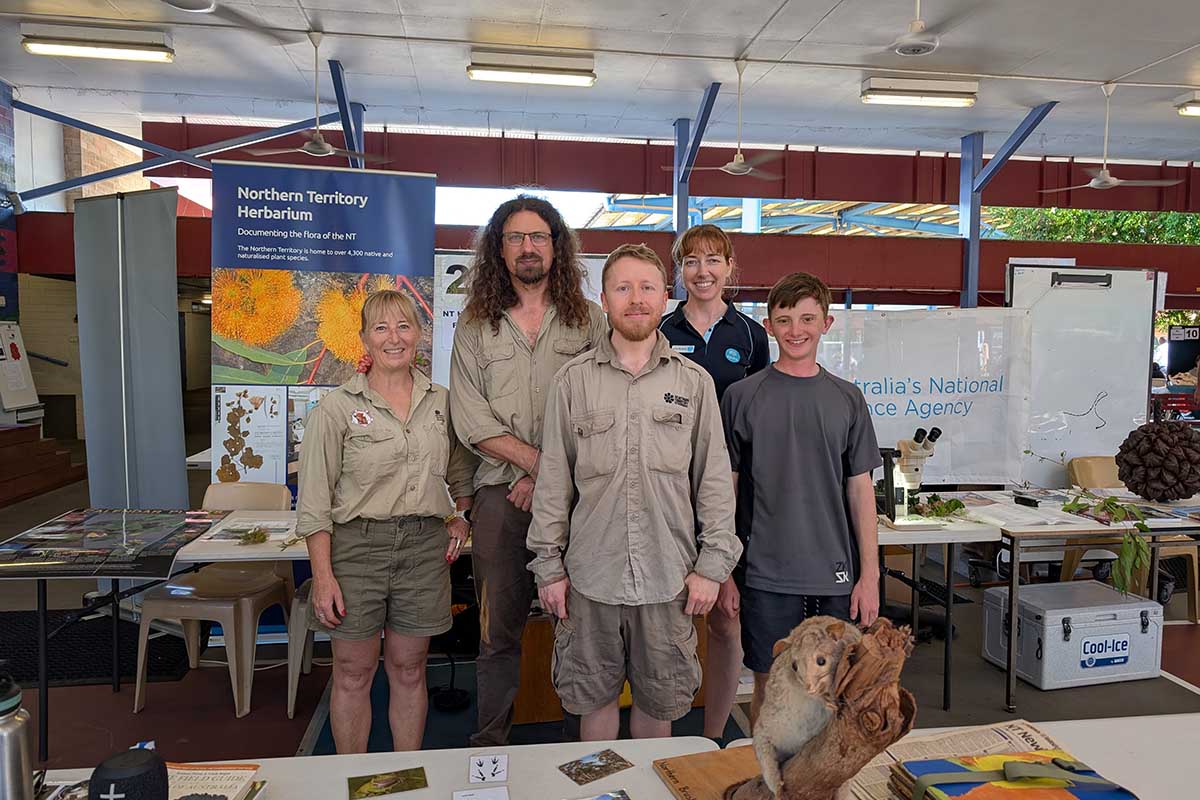
The team also played a key role at the Jingili Primary School Science Fair, where they inspired budding young scientists with interactive displays and activities. By bringing along real plant specimens and sharing stories about fieldwork, they helped demystify scientific processes and spark curiosity about local flora. The students also learnt how to set traps and capture animals in the field.
Two visits from the Junior Rangers added more excitement to the calendar. These enthusiastic young learners toured the Darwin Herbarium and explored the behind-the-scenes work that goes into managing plant collections. Herbarium staff guided them through the plant mounting process and shared insights about how collections are used to support land management, traditional knowledge, and biodiversity conservation.
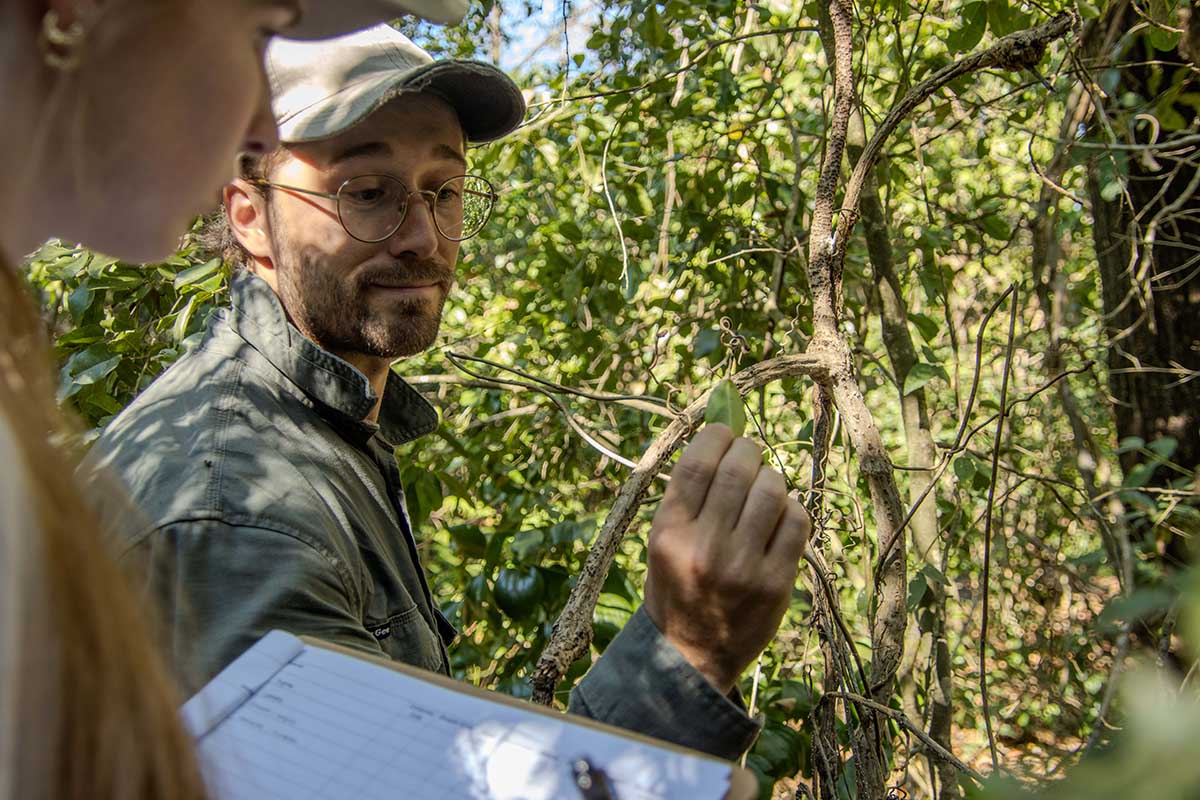
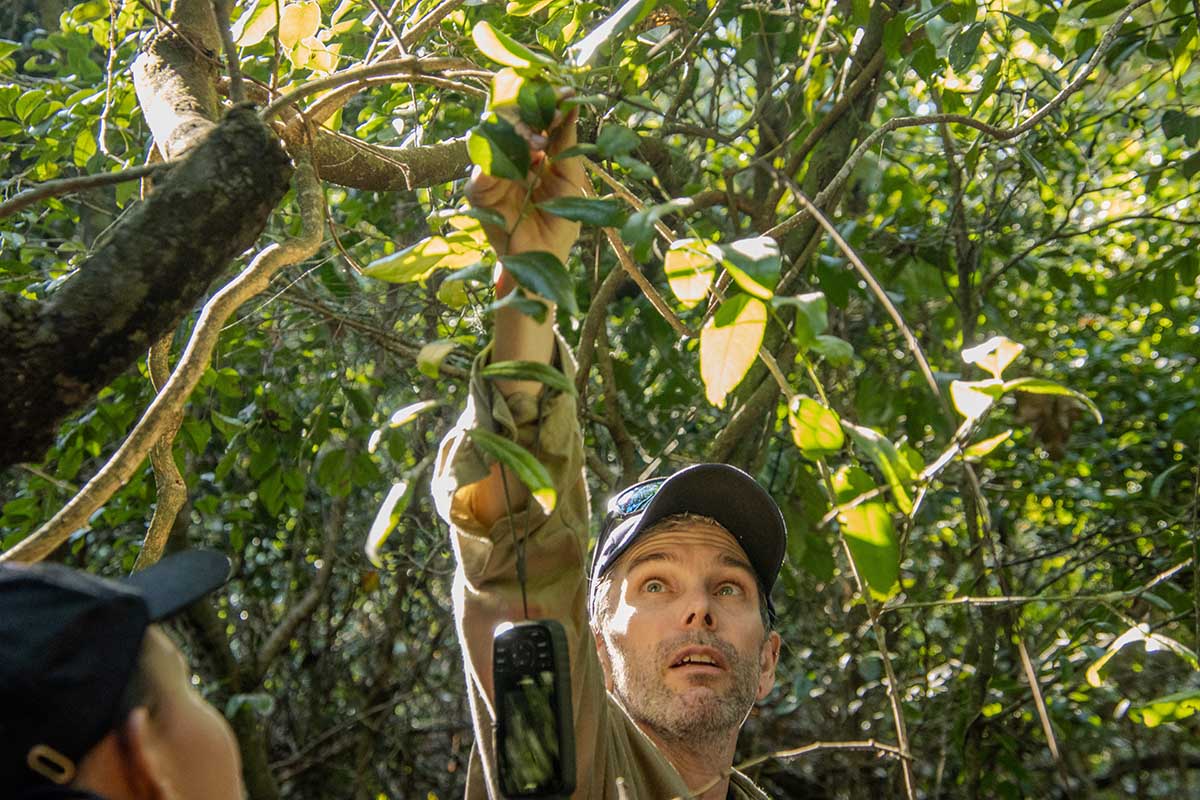
Finally, in partnership with the Museum and Art Gallery of the Northern Territory (MAGNT), the team ran a field exercise for Darwin High School students at East Point. The excursion gave students the chance to try their hand at fieldwork, practicing plant identification in a real-world context and learning about the role of scientific data collecting in building environmental knowledge. The REALM team led the students through vegetation surveys characterising rainforest of different ages. The herbarium staff showed students how to identify food plants for atlas moth larvae to determine whether the East Point rainforest habitat can support Atlas Moth in the future. Students also enjoyed ant diet studies, bird watching and learning how to set different types of traps to survey for fauna.
These activities are a powerful reminder of the importance of science outreach and the impact it can have on the next generation. Well done to the team for their commitment to education, community engagement, and sharing their passion for plants, animals and science.