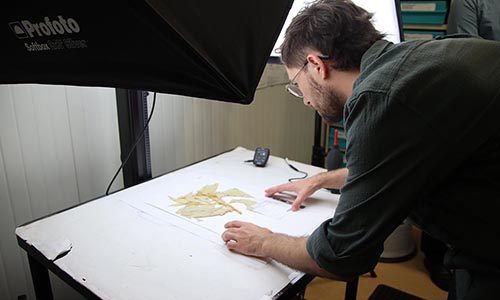
Bringing the Herbarium to life in a digital collection for the future
A new camera is helping botanists bring plant specimens into the digital age, one photograph at a time.
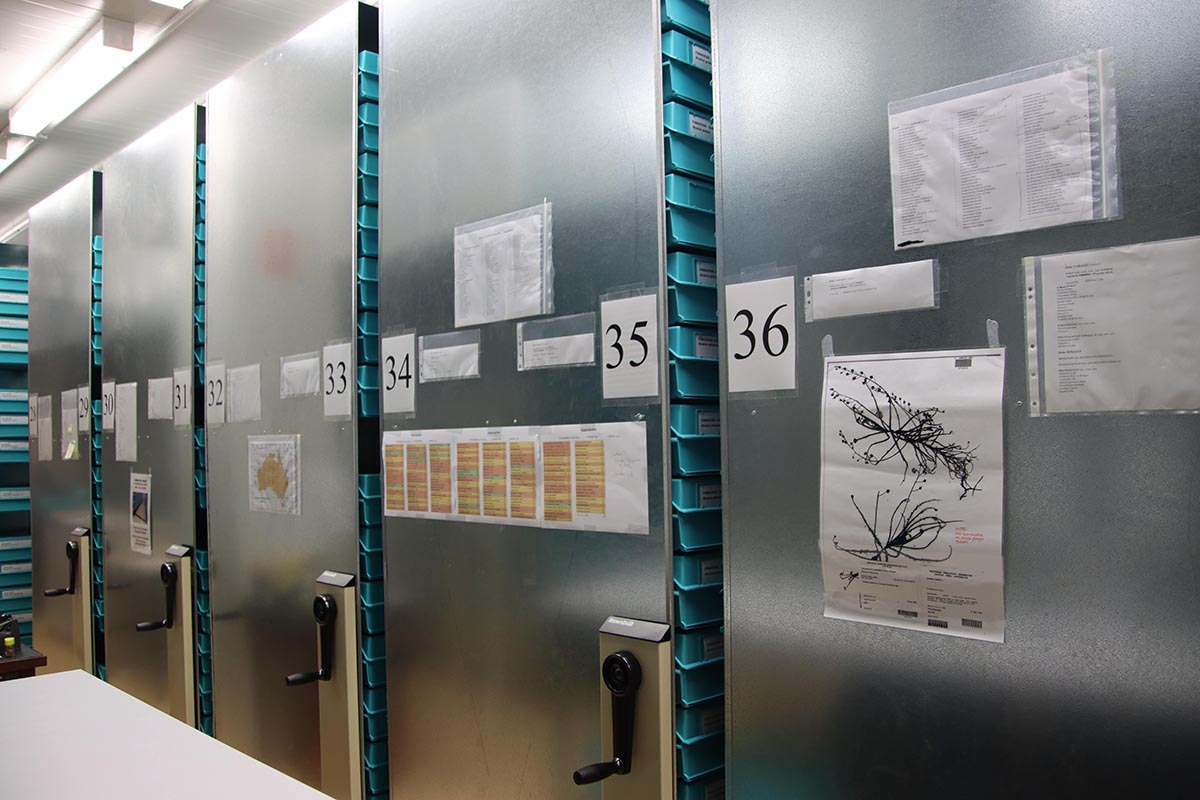
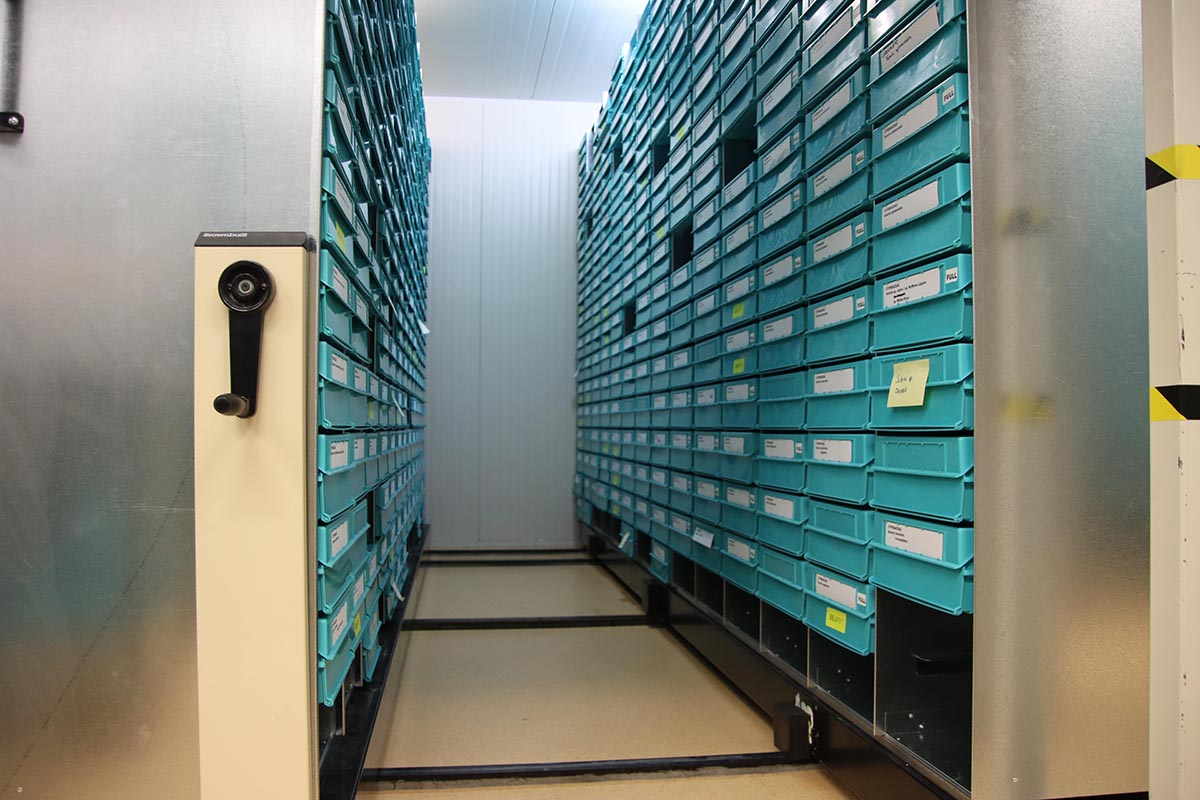
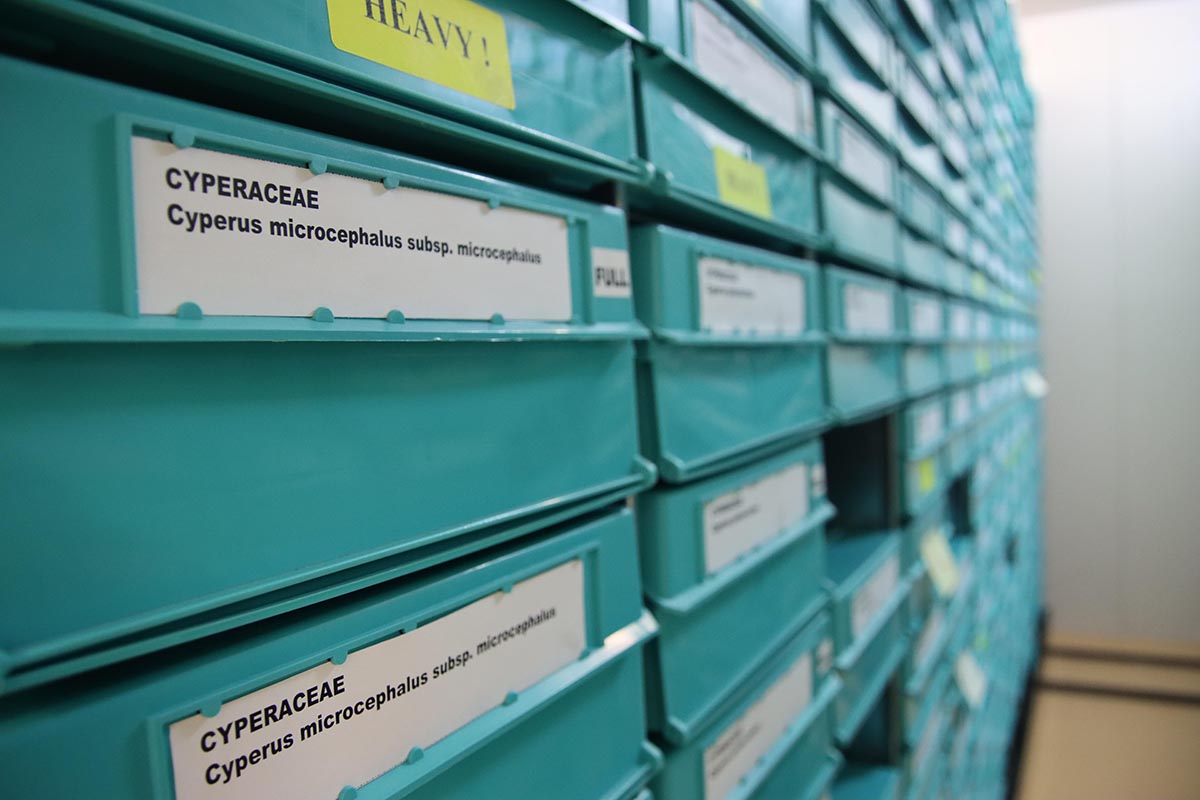
Inside the Herbarium, rows of dried plants, carefully pressed, labelled and preserved, line the cabinets.
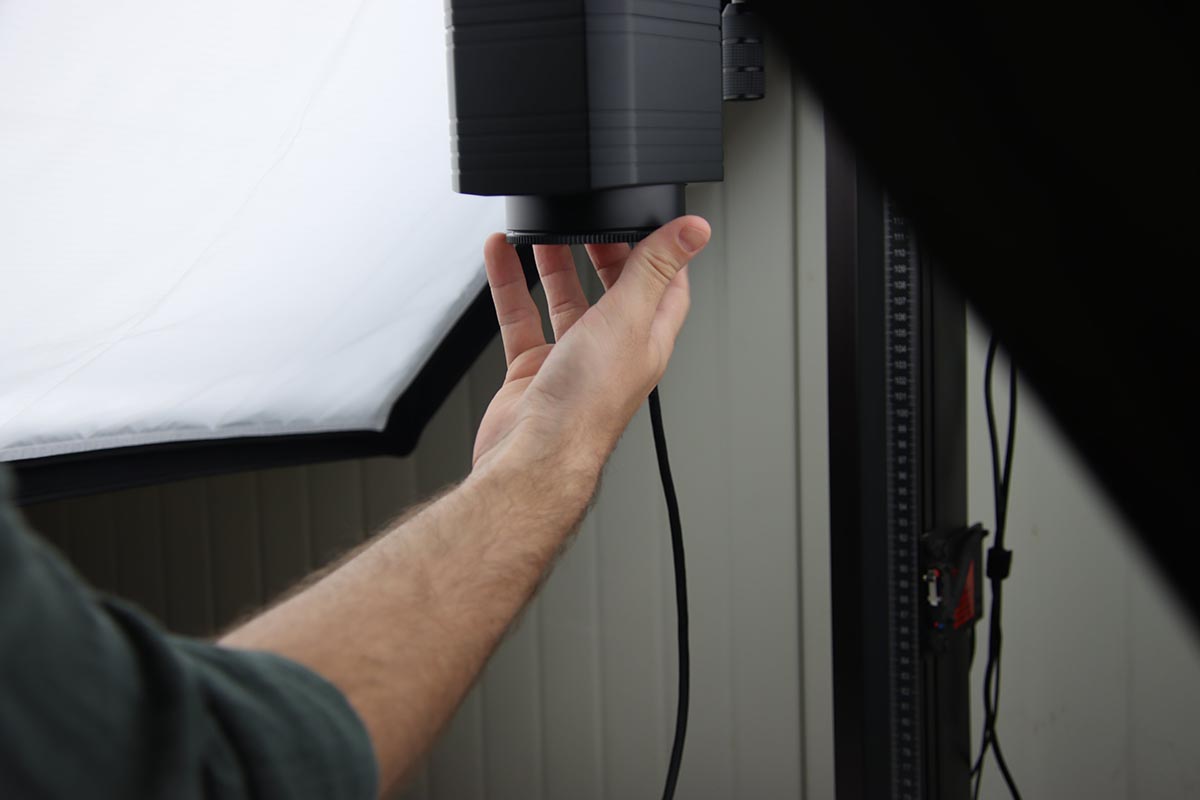
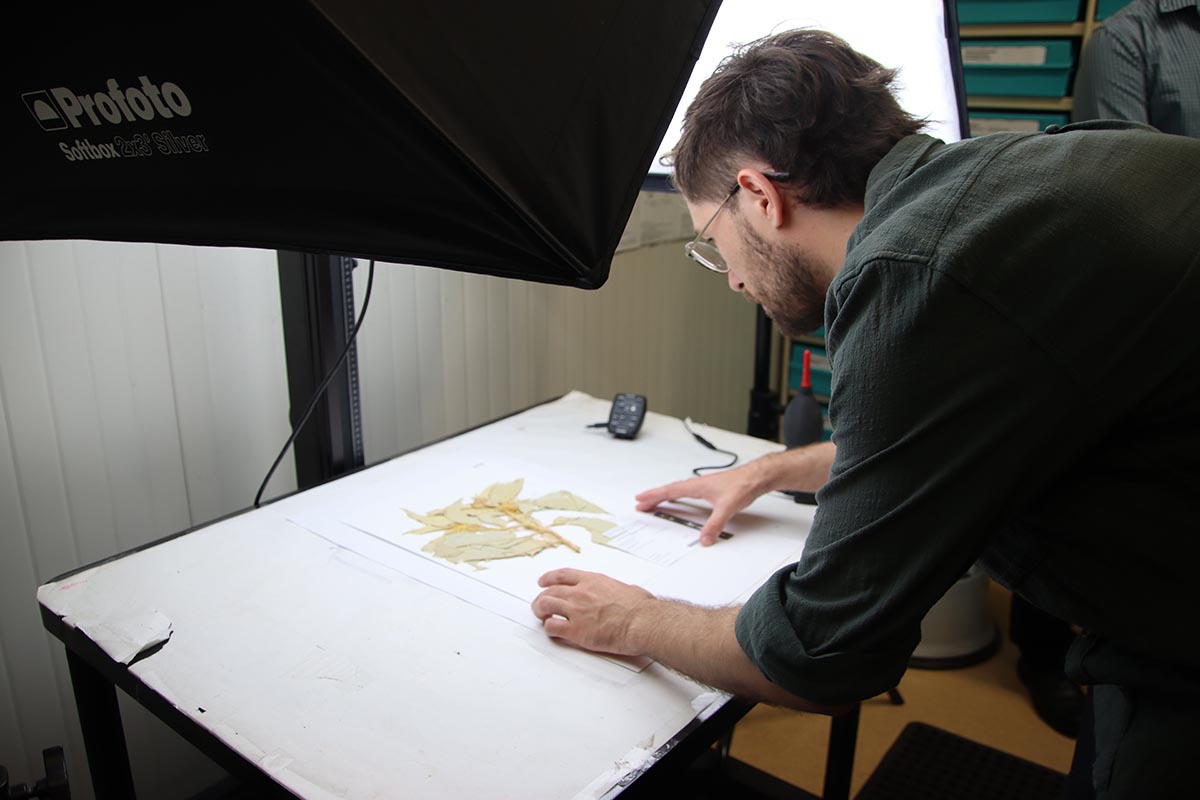
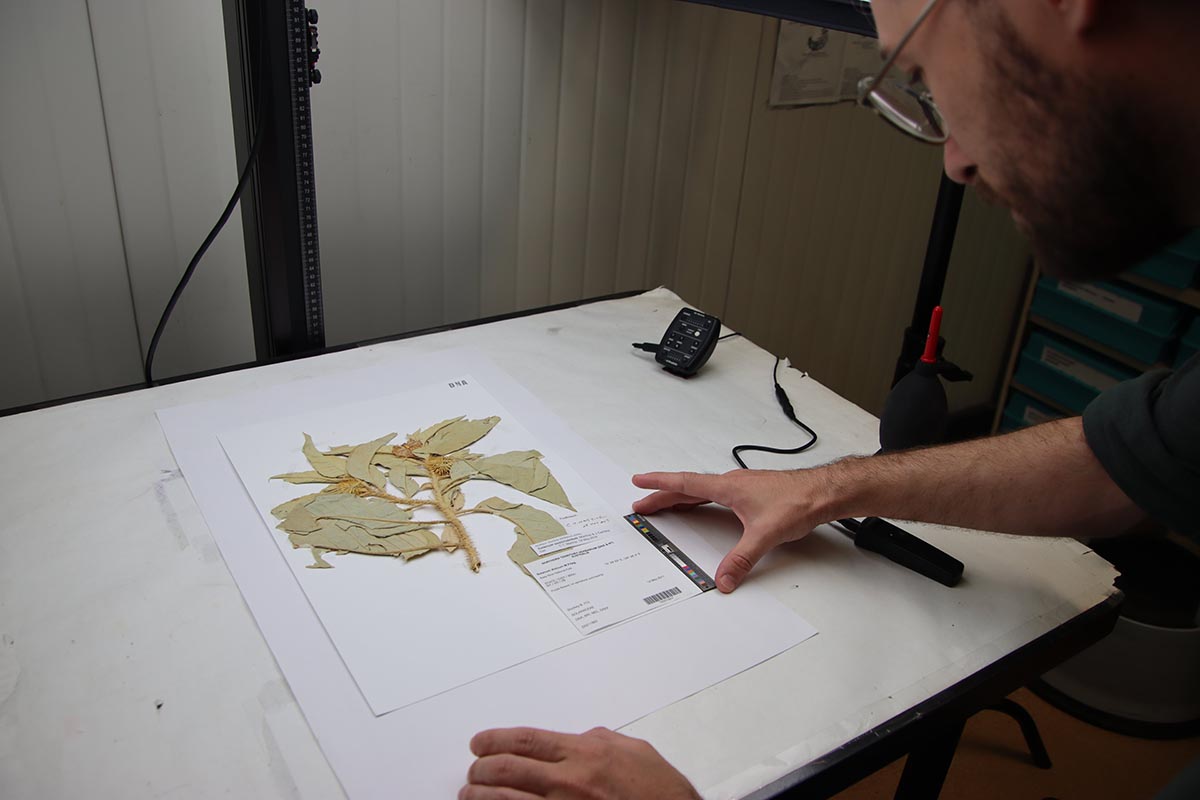
Until now, accessing them has often meant physically visiting the collection, but that is changing thanks to a specialised camera that captures high-resolution images of these delicate specimens.
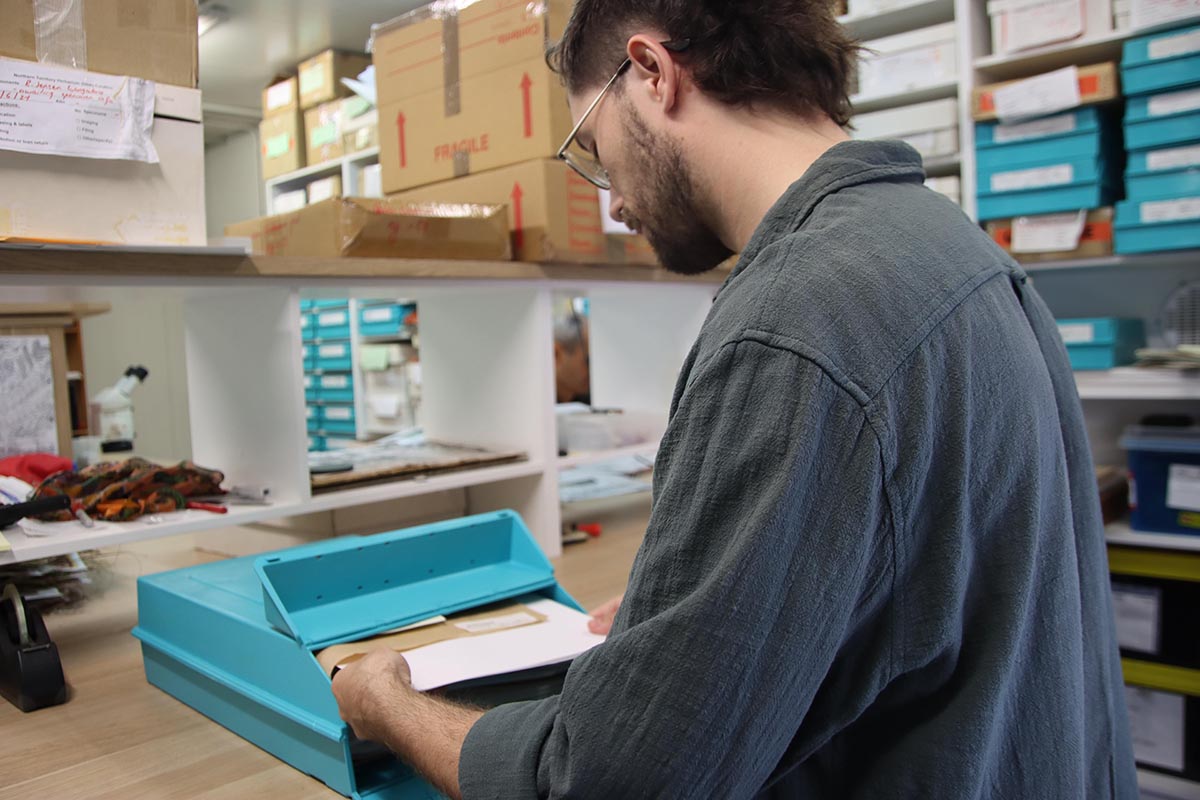
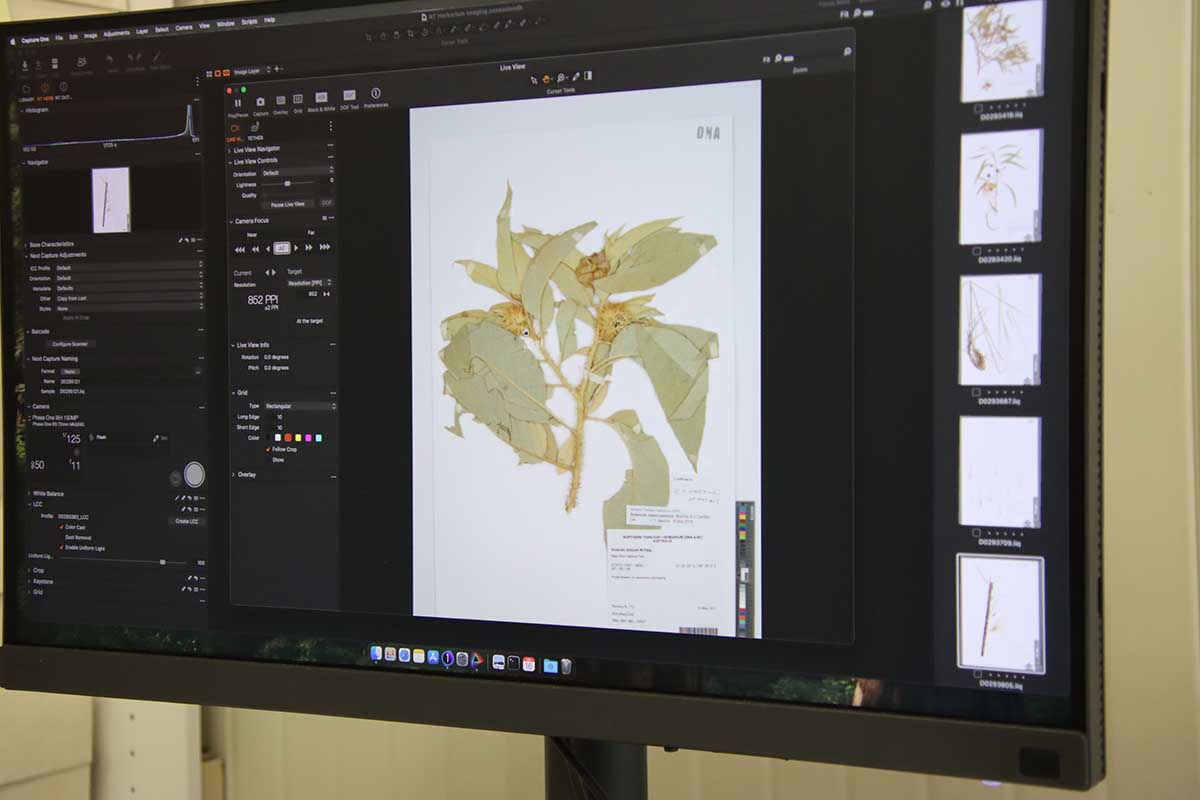
So far, more than 1,000 specimens have been photographed by Herbarium staff, who will continue to image new and highly valued specimens. They are looking for opportunities to continue building this digital collection via external collaboration.
Botanist Aiden Webb said the process is painstaking but vital.
'By digitising the collection, we don’t have to handle fragile plants to examine them,' he said.
'Instead, people will be able to view and study the images online, from anywhere in the world.
The camera is specially designed to digitise cultural heritage and collection objects, allowing colours, textures, and fine details to be captured with clarity.'
This means the distinctive features of a specimen, down to the shape of tiny hairs or the veins on a leaf, can be observed and shared digitally.
The goal is not only preservation but efficiency. Searching for a particular specimen among thousands can take hours, but with a digital database, the same task might take only seconds.
The work also has important implications for taxonomy. Among the many specimens are type specimens, the original examples used to define plant names. These types are the foundation of botanical classification: when a name is published, it is tied to a type specimen forever.
Making high-quality digital copies of these irreplaceable specimens safeguards them for the future and enables sharing with industry and the public alike.
Whether identifying a new species, studying changes in biodiversity, or simply learning about plants, the digital collection will be an invaluable resource for botanical knowledge and conservation.